
Dog Training: Complete Beginners Guide to Training Your Dog at Home
Meta title
Dog training guide for beginners at home.
Meta description
Learn easy dog training tips for beginners. Train your dog at home with simple steps commands and expert advice.
SEO Friendly URL Slug
dog-training-guide-for-beginners
Related key words
- puppy training tips
- dog obedience training
- how to train a dog
- beginner dog training
- dog behavior training
Introduction
Bringing a dog home is exciting but training is one of the most important parts of being a good pet owner.
Without proper training dogs may.
- Bark too much
- Bite furniture
- Ignore commands
- Become difficult to control
The good news is that dog training does not have to be hard.
With patience, consistency and the right methods you can teach your dog good behavior at home.
In this beginner friendly guide you ll learn everything about dog training in simple English.
What is dog tranings?
Dog training means teaching your dog how to behave properly and follow commands.
Training helps dogs understand.
- What is write
- What is wrong
- How to listen to owners
Good dog training builds trust between you and your pet.
Simple example
When you say Sit and your dog sits correctly that is dog training.
The dog learns through practice and rewards.
Why dog training is important
1. Better Behavior at Home.
Training helps stop bad habits like:
- Jumping
- Chewing
- Excessive barking
2Safety for family
A trained dog is safer around:
- Kids
- Guests
- Other pet
- 3. Strong bond
Training improves communication between you and your dog
4. Easier Daily life
Simple commands make life easier for both owner and dog.
How Dog Training Works Step by Step
1 Start with Basic Commands.
Teach easy commands first.
- Sit
- Stay
- Come
- No
2 Use Rewards.
Reward your dog with.
- Treats
- Praise
- Toys
Dogs learn faster with positive reinforcement.
3 Keep Sessions Short.
Train for.
- 5 15 minutes daily.
Short sessions work best.
4 Be Consistent.
Use the some word every time
Example.
- Always say Sit instead of changing commands.
5 Practice Daily.
Daily repetition improves learning.
6 Stay Patient.
Dog learn slowly.
Never shout or hit your dog.
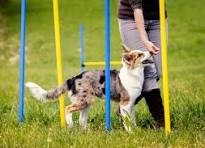
Basic Dog Training Commands.
Sit
Hold a treat above the dog’s head.
Say sit gently
Reward when successful.
Stay
Ask your dog to sit.
Move back slowly and say Stay.
Reward calm behavior.
Come
Call your dog using a happy voice.
Reward when it comes to you.
Leave it
Teach your dog not to touch dangerous items.
Down
Help your dog lie down calmly.
Benefits of Dog Training.
Better Relationship.
Training builds trust and love.
Mental Stimulation.
Dog enjoy learning new things
Peaceful Home.
A training dog behaves better indoors.
Safer Around Kids.
Training reduces risky behavior.
Common Dog Training Mistakes
Inconsistency.
Changing commands confuses dogs.
Punishment-Based Training.
Fear damages trust.
Long Training Sessions.
Dogs lose focus quickly.
NO rewords
Positive reinforcement is very important.
Giving Up too early
Training takes time and patience.
Pro Tips for Successful Dog Training
1 Start Early.
Puppies learn faster.
2 Use Positive Energy.
Stay calm and encouraging.
3 Train Daily
Consistency is key.
4 Socialize Your Dog.
Introduce your dog to people and place.
5 End on a Positive Note.
Finish training after success.
Real life example
A beginner dog owner had a puppy that barked all the time.
After 2 weeks of regular training and rewards the puppy became calmer and started following commands.
This shows how effective proper dog training can be.
FAQs about dog trainings
1. When should I start dog training?
Start as early as possible, especially during puppy age.
2. How long does dog training take?
Basic training may take a few weeks to months.
3. can old dog be trained?
Yes, older dogs can also learn new commands.
4. What is the easiest command to teach?
“Sit” is usually the easiest command.
5. Should I punish my dog during training?
No, positive reinforcement works better.
Conclusion
Good dog training creates a happy and peaceful life for both you and your pet.
Remember:
- Stay patient
- Practice daily
- Reward good behavior
Training takes time but the results are worth it.
Start training your dog today and build a stronger bond with your furry friend.
Internal linking ideas
You can link this article with.
- Best family dog for kids
- Friendly Dog Breeds for First-Time Owners.
- Small Dogs for Apartments.
- Dog care tips for beginners
- Low Maintenance Family Dogs.
Dog Training: Complete Beginners Guide to Training Your Dog at Home
Meta title
Dog training guide for beginners at home.
Meta description
Learn easy dog training tips for beginners. Train your dog at home with simple steps commands and expert advice.
SEO Friendly URL Slug
dog-training-guide-for-beginners
Related key words
- puppy training tips
- dog obedience training
- how to train a dog
- beginner dog training
- dog behavior training
Introduction
Bringing a dog home is exciting but training is one of the most important parts of being a good pet owner.
Without proper training dogs may.
- Bark too much
- Bite furniture
- Ignore commands
- Become difficult to control
The good news is that dog training does not have to be hard.
With patience, consistency and the right methods you can teach your dog good behavior at home.
In this beginner friendly guide you ll learn everything about dog training in simple English.
What is dog tranings?
Dog training means teaching your dog how to behave properly and follow commands.
Training helps dogs understand.
- What is write
- What is wrong
- How to listen to owners
Good dog training builds trust between you and your pet.
Simple example
When you say Sit and your dog sits correctly that is dog training.
The dog learns through practice and rewards.
Why dog training is important
1. Better Behavior at Home.
Training helps stop bad habits like:
- Jumping
- Chewing
- Excessive barking
2Safety for family
A trained dog is safer around:
- Kids
- Guests
- Other pet
- 3. Strong bond
Training improves communication between you and your dog
4. Easier Daily life
Simple commands make life easier for both owner and dog.
How Dog Training Works Step by Step
1 Start with Basic Commands.
Teach easy commands first.
- Sit
- Stay
- Come
- No
2 Use Rewards.
Reward your dog with.
- Treats
- Praise
- Toys
Dogs learn faster with positive reinforcement.
3 Keep Sessions Short.
Train for.
- 5 15 minutes daily.
Short sessions work best.
4 Be Consistent.
Use the some word every time
Example.
- Always say Sit instead of changing commands.
5 Practice Daily.
Daily repetition improves learning.
6 Stay Patient.
Dog learn slowly.
Never shout or hit your dog.
Basic Dog Training Commands.
Sit
Hold a treat above the dog’s head.
Say sit gently
Reward when successful.
Stay
Ask your dog to sit.
Move back slowly and say Stay.
Reward calm behavior.
Come
Call your dog using a happy voice.
Reward when it comes to you.
Leave it
Teach your dog not to touch dangerous items.
Down
Help your dog lie down calmly.
Benefits of Dog Training.
Better Relationship.
Training builds trust and love.
Mental Stimulation.
Dog enjoy learning new things
Peaceful Home.
A training dog behaves better indoors.
Safer Around Kids.
Training reduces risky behavior.
Common Dog Training Mistakes
Inconsistency.
Changing commands confuses dogs.
Punishment-Based Training.
Fear damages trust.
Long Training Sessions.
Dogs lose focus quickly.
NO rewords
Positive reinforcement is very important.
Giving Up too early
Training takes time and patience.
Pro Tips for Successful Dog Training
1 Start Early.
Puppies learn faster.
2 Use Positive Energy.
Stay calm and encouraging.
3 Train Daily
Consistency is key.
4 Socialize Your Dog.
Introduce your dog to people and place.
5 End on a Positive Note.
Finish training after success.
Real life example
A beginner dog owner had a puppy that barked all the time.
After 2 weeks of regular training and rewards the puppy became calmer and started following commands.
This shows how effective proper dog training can be.
FAQs about dog trainings
1. When should I start dog training?
Start as early as possible, especially during puppy age.
2. How long does dog training take?
Basic training may take a few weeks to months.
3. can old dog be trained?
Yes, older dogs can also learn new commands.
4. What is the easiest command to teach?
“Sit” is usually the easiest command.
5. Should I punish my dog during training?
No, positive reinforcement works better.
Conclusion
Good dog training creates a happy and peaceful life for both you and your pet.
Remember:
- Stay patient
- Practice daily
- Reward good behavior
Training takes time but the results are worth it.
Start training your dog today and build a stronger bond with your furry friend.
Internal linking ideas
You can link this article with.
Low Maintenance Family Dogs.
Best family dog for kids
Friendly Dog Breeds for First-Time Owners.
Small Dogs for Apartments.
Dog care tips for beginners
- Better Behavior at Home.
Training helps stop bad habits like:
” Jumping
” Chewing
” Excessive barking
2Safety for family
A trained dog is safer around:
” Kids
” Guests
” Other pet
” 3. Strong bond
Training improves communication between you and your dog
- Easier Daily life
Simple commands make life easier for both owner and dog.
How Dog Training Works Step by Step
1 Start with Basic Commands.
Teach easy commands first.
” Sit
” Stay
” Come
” No 2 Use Rewards.
Reward your dog with.
” Treats
” Praise
” Toys
Dogs learn faster with positive reinforcement.
3 Keep Sessions Short.
Train for.
” 5 15 minutes daily.
Short sessions work best.
4 Be Consistent.
Use the some word every time
Example.
” Always say Sit instead of changing commands.
5 Practice Daily.
Daily repetition improves learning.
6 Stay Patient.
Dog learn slowly.
Never shout or hit your dog.
Basic Dog Training Commands.
Sit
Hold a treat above the dog’s head.
Say sit gently
Reward when successful.
Stay
Ask your dog to sit.
Move back slowly and say Stay.
Reward calm behavior.
Come
Call your dog using a happy voice.
Reward when it comes to you.
Leave it
Teach your dog not to touch dangerous items.
Down
Help your dog lie down calmly.
Benefits of Dog Training.
Better Relationship.
Training builds trust and love.
Mental Stimulation.
Dog enjoy learning new things
Peaceful Home.
A training dog behaves better indoors.
Safer Around Kids.
Training reduces risky behavior.
Common Dog Training Mistakes
Inconsistency.
Changing commands confuses dogs.
Punishment-Based Training.
Fear damages trust.
Long Training Sessions.
Dogs lose focus quickly.
NO rewords
Positive reinforcement is very important.
Giving Up too early
Training takes time and patience.
Pro Tips for Successful Dog Training
1 Start Early.
Puppies learn faster.
2 Use Positive Energy.
Stay calm and encouraging.
3 Train Daily
Consistency is key.
4 Socialize Your Dog.
Introduce your dog to people and place.
5 End on a Positive Note.
Finish training after success.
Real life example
A beginner dog owner had a puppy that barked all the time.
After 2 weeks of regular training and rewards the puppy became calmer and started following commands.
This shows how effective proper dog training can be.
FAQs about dog trainings
- When should I start dog training?
Start as early as possible, especially during puppy age. - How long does dog training take?
Basic training may take a few weeks to months. - can old dog be trained?
Yes, older dogs can also learn new commands. - What is the easiest command to teach?
“Sit” is usually the easiest command. - Should I punish my dog during training?
No, positive reinforcement works better.
Conclusion
Good dog training creates a happy and peaceful life for both you and your pet.
Remember:
” Stay patient
” Practice daily
” Reward good behavior
Training takes time but the results are worth it.
Start training your dog today and build a stronger bond with your furry friend.
Internal linking ideas
You can link this article with.
” Best family dog for kids
” Friendly Dog Breeds for First-Time Owners.
” Small Dogs for Apartments.
” Dog care tips for beginners
” Low Maintenance Family Dogs.